



Jensen Huang Steps Down as NVIDIA CEO: Stock Slides, Opening a Window for China Accelerators?
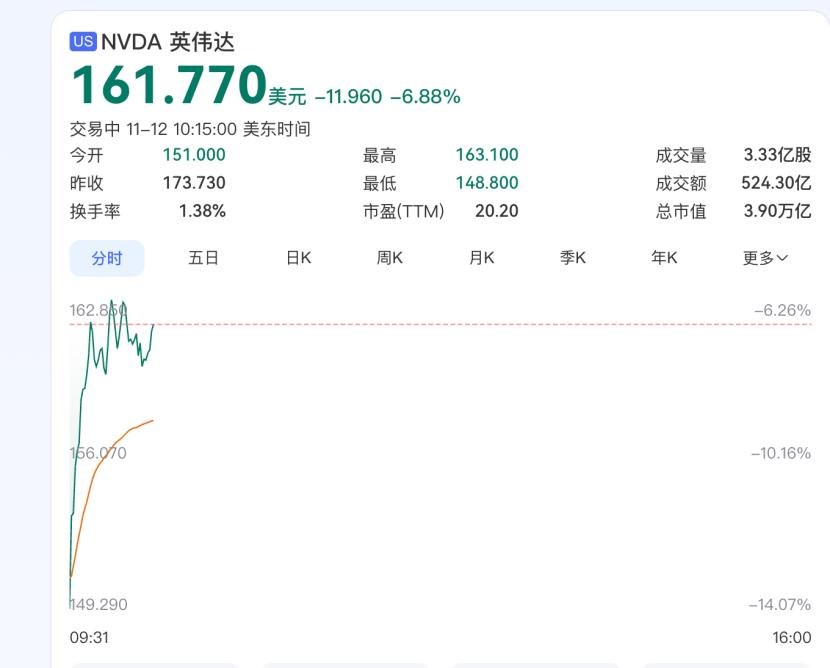
On November 12, NVIDIA’s board said founder Jensen Huang resigned as president, CEO, and director, effective immediately. EVP and CFO Colette Kress becomes interim CEO while remaining CFO until a permanent successor is named. The board launched a CEO search (internal and external) and appointed Harvey C. Jones as its first board chair. Huang founded NVIDIA in 1993 and led for about 33 years. Premarket shares once fell more than 10%; by 10:15 a.m. ET they were about $161.77, down ~6.88% from the prior close of $173.73. The industry question is less “is NVIDIA finished?” than whether orders, next-year capacity, and customer expectations hold through the transition—and how wide a window that opens for China AI accelerators.
Southeast Asia builds out; supply certainty slips
Google said on November 4 it will invest about $15B in Malaysia data centers and cloud for 2027–2028—roughly 7.5× its 2024 $2B pledge—while Microsoft and AWS also expand in the region. Caixin reported that of Thailand’s approved ~1.5GW of DC projects, about 60–70% have Chinese capital ties or mainly serve Chinese hyperscaler customers. Yet brokers and server vendors say lockable high-end rental capacity is getting scarcer, renewals and regulation are riskier, and inquiries for China stacks are rising. Complex training still prefers NVIDIA GPUs in the near term; price and delivery certainty are the sharp variables.
Rule spillover + shipment mix push domestic cards forward
On January 12, 2026, the U.S. House passed the Remote Access Security Act 369–22, aiming to extend export controls from “goods leaving the border” to “remote access” of advanced compute. As of November it had not advanced further or taken effect, but cloud-side access paths already face a policy overhang. IDC H1 2026: China DC AI accelerators ~2.008M units—GPUs 991k (-26% YoY) vs non-GPU accelerators 1.016M (nearly +80%), with non-GPU shipments topping GPUs for the first time. NVIDIA ~678k units / 33.8% share (-44% YoY); Huawei 572k / 28.5%; Alibaba Pingtouge ~133k (~7%); Cambricon ~92k (~5%); Kunlunxin ~4%, Hygon ~3%, with Moore Threads also among leaders. That tracks our note on China compute moving from “can ship” to “can sell and earn back”.
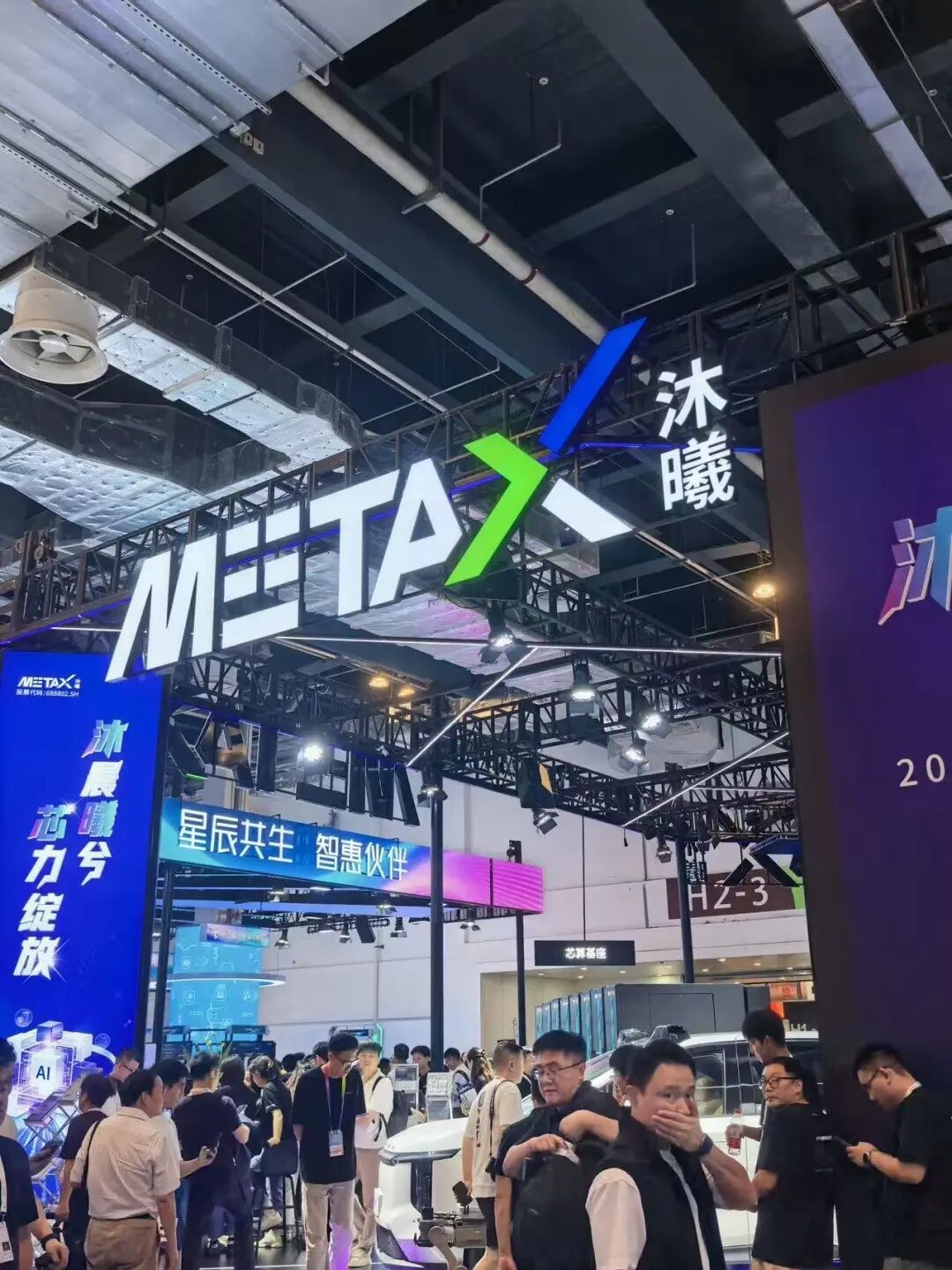
The market tiers roughly as Huawei Ascend and Pingtouge first (Pingtouge capacity still mostly for Alibaba’s stack), then Muxi, Iluvatar CoreX, Moore Threads, Enflame, Biren, and peers. Muxi’s C600 with 144GB HBM3e entered mass production in May 2026 with a claimed domestic supply-chain loop; Iluvatar’s Tianhai 300 cites ~1.05× mainstream high-end GPU end-to-end throughput in a typical PD-split setup. Moore Threads’ H1 revenue hit RMB1.736B (+147.42% YoY), already above full-year 2025, with a narrower net loss. NVIDIA’s own books remain strong: FY2027 Q2 (ended July 26, 2026) revenue $96.22B (+106%), datacenter $89B (+117%), with Q3 results still slated for November 17.
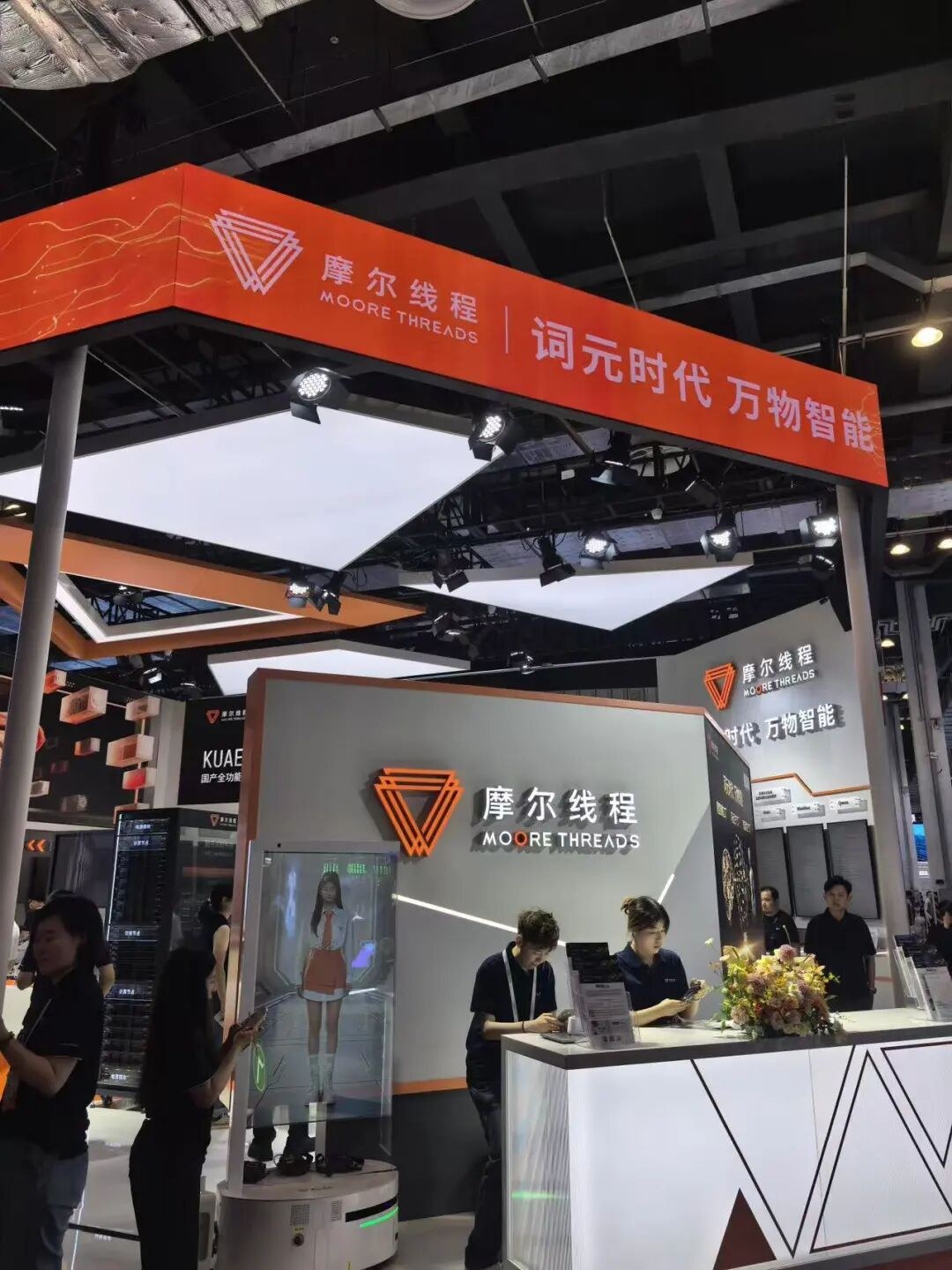
How wide the window opens depends on whether tier-one vendors free external capacity and whether tier-two vendors turn bench numbers into sustained delivery. Buyers now ask who holds the cards and whether the next expansion can land on time—see also our take on how agents rewrite the compute bill and CPU mix.
FAQ
Q: Who runs NVIDIA after Huang? A: CFO Colette Kress is interim CEO; the board is searching for a permanent CEO and named Harvey C. Jones board chair.
Q: Does the resignation mean the business is weakening? A: The stock took a hit, but recent revenue and datacenter growth remain very strong; markets worry more about governance transition and delivery expectations.
Q: What opens the China-accelerator window? A: Less predictable overseas high-end supply, remote-access regulatory risk, and whether Ascend/Pingtouge-class capacity plus tier-two vendors can deliver at scale.
相关文章