



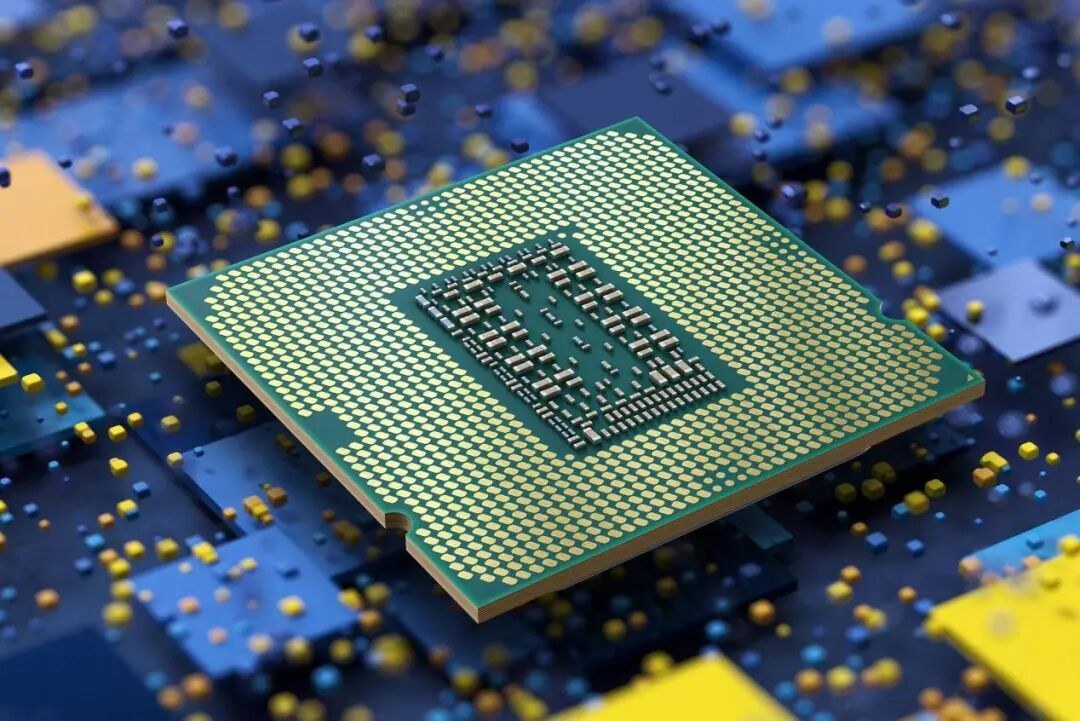
TrendForce expects AI Agent apps to lift server CPU demand from H2 2025, with ~31% shipment growth in 2026 and potentially >40% in 2027. Markets still price the GPU story, but from procurement and capex, AI infra is shifting from “buy accelerators only” to full-rack compute—CPU, memory, networking, power, and cooling gain standalone budget weight. Intel CEO Lip-Bu Tan has said the train-to-infer shift is pushing CPU:GPU mixes from classic ~1:8 toward ~1:1; industry estimates put CPU cores per GW from ~30M toward ~120M. Context: Lankun interconnect funding and China compute hubs.
A Thicker Bill of Materials
In pretrain eras, reviews locked on GPUs; CPU/DRAM/storage/net trailed fixed topologies. Agent loads change the arithmetic: dense matrix token work still fits GPUs; planning, routing, tool calls, and multi-agent coordination land more on CPUs today. KeyBanc says AMD EPYC 2026 capacity is nearly sold out, with premium lead times ~8–10 weeks. NVIDIA’s GB200 / Vera Rubin NVL72 (~36 CPUs to 72 GPUs; Grace/Vera Arm ≠ standalone x86 host CPUs) shows orchestration is no afterthought. More CPUs pull DRAM, KV-cache SSDs, high-speed ports, power, and liquid cooling with them—cloud buys become system packages. CPU becomes its own spec, allocation, and negotiation line: incremental for suppliers, another cost lever for buyers.
An Underpriced Side Path
Demand splits three ways: cloud custom Arm tied to software stacks, flexible-ratio general compute for AI-native customers, and x86 for enterprise compatibility. AI valuations long anchored the GPU chain; Intel/AMD lagged accelerator peers’ multiple elasticity—mix resets may slowly reprice that. Upside may flow to Arm (Graviton, Yitian, Axion, plus Grace/Vera in racks) and adjacent foundry/OSAT; or x86 (Xeon 6, 6th-gen EPYC agent-tuned) may hold longer via software and channels in general inferencing and hybrid cloud. ODMs may regain design value as topology and power balance matter beyond GPU allocation. Risk: pricing a “CPU supercycle” before Agent monetization lands invites sharp drawdowns—anchor on shipments and usage, not narrative. Related: Muse and the CPU moment.
x86 Rent vs Arm Increment—and Three Unproven Assumptions
x86’s ~90% share rests more on migration cost around databases/middleware than raw peaks. Arm server chips struggled for a decade against that wall; this round enters via clouds and AI-native stacks that absorb porting in-house, while NVIDIA bundles Grace/Vera with GPUs in NVL72 so Arm volume tracks rack GPU delivery. The 31%/40% upside hangs on three bets: Agents scale with paying usage; high-CPU mixes aren’t rewritten by runtime advances; Arm fragmentation (Graviton/Axion/Ampere/Grace) doesn’t stall outside closed ecosystems. Watch cloud BOM CPU:GPU ratios, real Agent calls and conversion, and Arm server CPU share by quarter. More: AI News.
FAQ
Q: Does rising CPU demand mean CPUs match GPU FLOPs? A: No—it mainly reflects host-side cores for Agent orchestration; dense matrix work stays GPU-heavy.
Q: Is 1:8→1:1 settled? A: It’s a directional claim from vendors/analysts; mixes vary by workload; rack SKUs are supporting evidence pending order data.
Q: Who captures the increment? A: Parallel paths—Arm for cloud/rack growth, x86 for enterprise stock—hinge on Agent commercialization and whether high-CPU mixes stick.
相关文章