


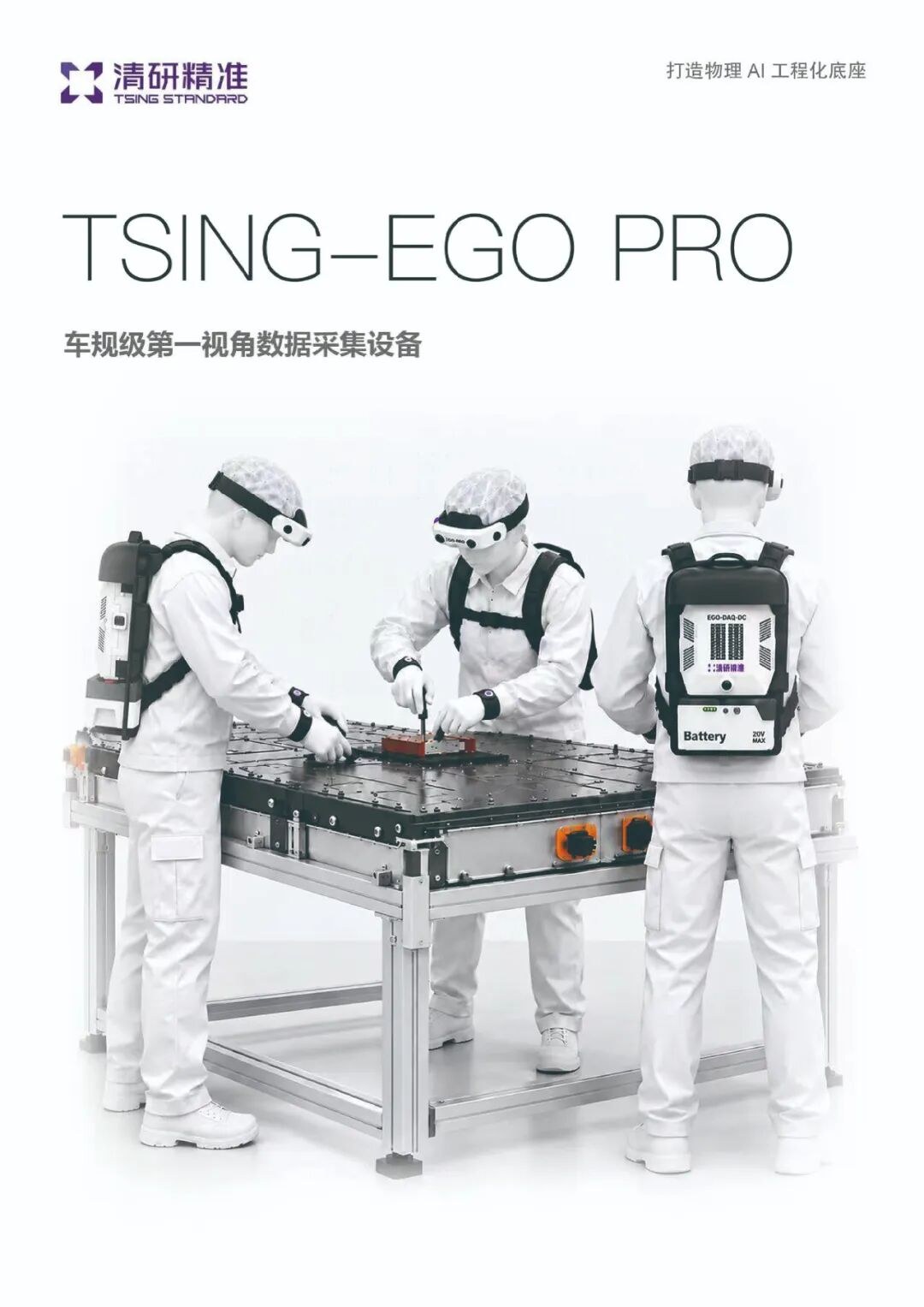
On Oct 27 at SAE CCE 2026, Qingyan Precision launched Tsing-Ego PRO, an automotive-grade first-person industrial data-capture kit, and detailed progress on its RIL (Robot-in-the-Loop) mid-trial system. One targets stable data production on live factory floors; the other targets real-robot validation before line entry—together an engineering middle layer between lab demos and production delivery. That gap is central to scaling industrial embodied AI beyond a single cell; see our multi-line scale piece.
Why Industrial Capture Needs “Automotive Grade”
Factories rarely lack “hours of data” as much as they lack affordable access: production windows, process IP, EMI, metal structures, lighting shifts, and zero tolerance for disrupting takt. Heavy, short-lived, cable-heavy, or flaky gear burns the whole window; discovering unusable clips after the fact wastes coordination cost.
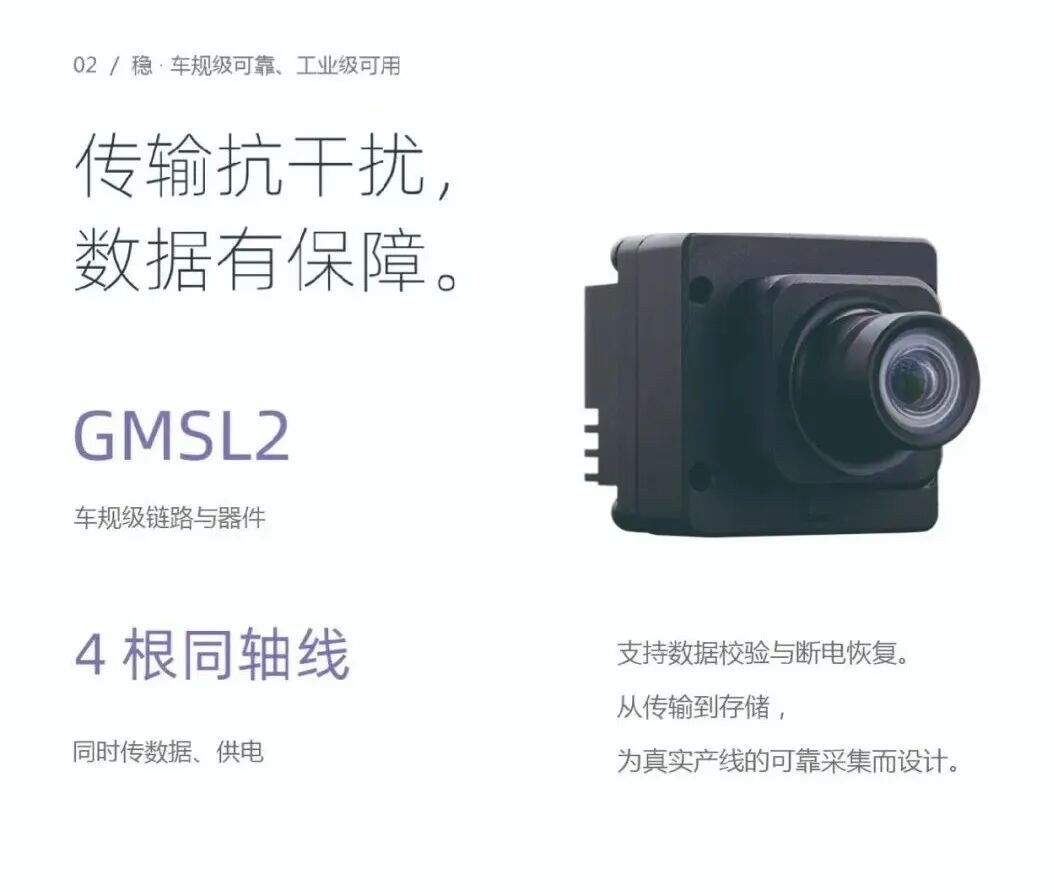
Tsing-Ego PRO uses GMSL2 automotive-grade links and parts for interference immunity, reliable transport, and integrity: 8 cameras on head plus dual wrists, 1080P global shutter, ≤1ms end-to-end sync, ~150° horizontal FOV, headset ≤200g, ≥5 hours continuous capture; a backpack packs compute/storage/power with ~80 TOPS on-device for live QC (sync faults, storage, framing, lighting). Secondary development hooks support varied R&D and station needs.
Value shifts from camera specs to engineering KPIs: uptime, low production interference, early anomaly flags, and how much data remains usable. Related “data–model–skill” loops: Leon Robot.
RIL: Move Line Trial-and-Error Upstream
Robots need the line; R&D needs trial-and-error; plants reject uncontrolled experiments. Simulation cannot fully cover contact, friction, assembly tolerance, and device state—leaving a Sim–Real gap.
Qingyan adapts automotive HIL into RIL: 1:1 mid-trial stations that recreate critical mechanisms, interfaces, process, and physics so real robots run in a measurable, resettable, lower-risk loop. Capabilities are framed as reproduce, compile, verify, evolve—translate production needs into tasks and stations, package vision/motion/device/process outcomes as assets, emit success rates, failure causes, and capability bounds, then feed failures back before Real acceptance. More coverage: AI News.
Eight Years of Industrial Access as Moat
The company cites ~8 years in auto, new energy, and advanced manufacturing, 100+ large manufacturers, and deployments in 30+ countries across EV, battery, storage, components, mining, and power. Dual doors matter: device-side fluency with interfaces and data paths, scene-side fluency with process windows and plant access. Equipment upgrades (e.g., wired to wireless EOL) can invalidate old samples; engineering know-how keeps capture and RIL stations in sync with process change.
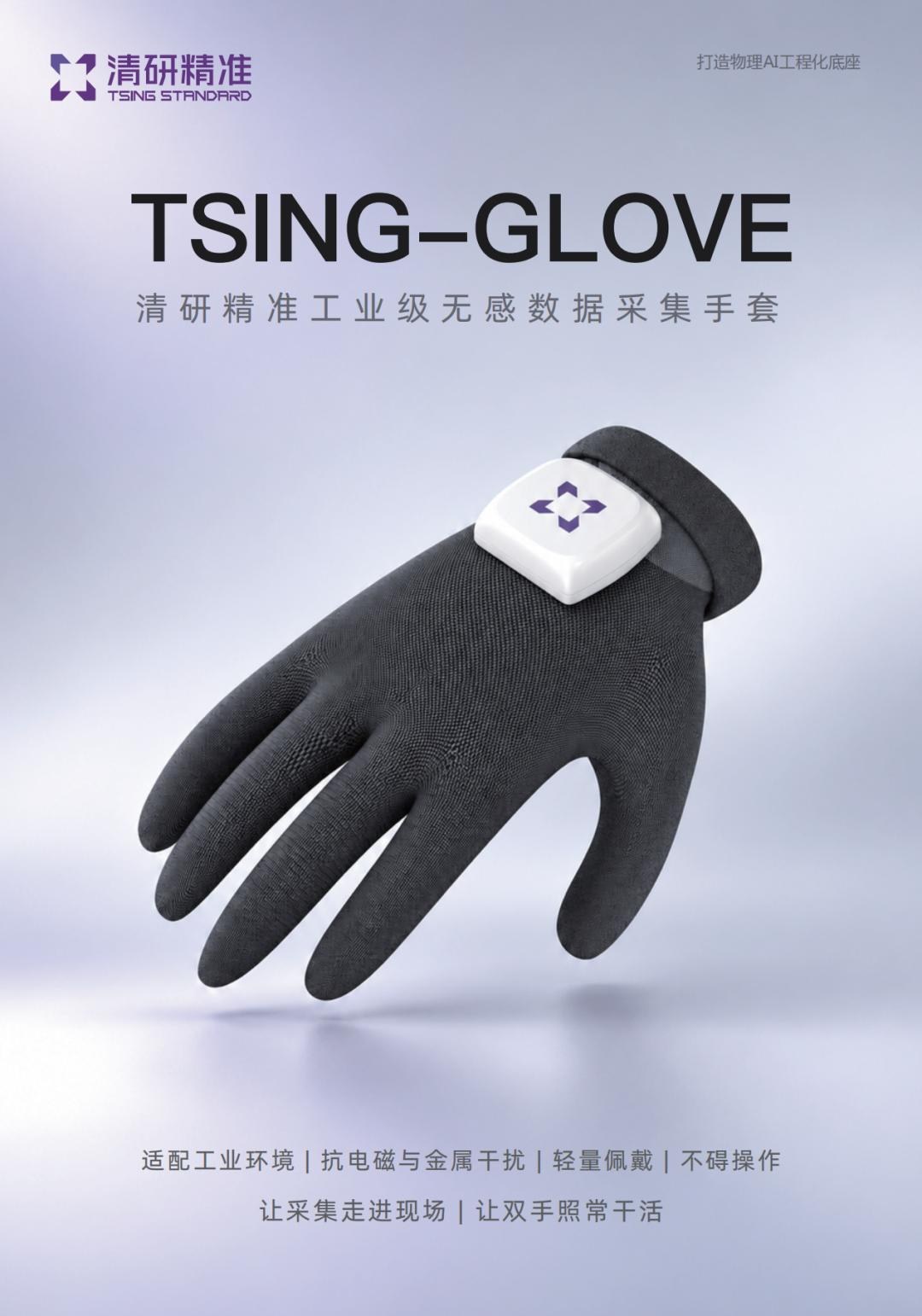
Closed loop: human ops on the line → Ego capture → train/task define → RIL repetition → Real acceptance. An industrial Tsing-Glove for EMI/metal-aware hand capture is upcoming; both Ego PRO and Glove are open for preorder with priority mid-trial and customer matching for early partners. Embodied scale increasingly hinges on who can cheaply reproduce failure and expand stations—not only who ships a stronger body.
FAQ
Q: What problem does Tsing-Ego PRO solve? A: Stable, synchronized first-person industrial capture with automotive-grade links and on-capture QC, while minimizing disruption to production takt.
Q: How is RIL different from sim or going straight to the line? A: Sim misses many real physics cases; the live line is costly and risky. RIL uses resettable 1:1 mid-trial stations for real-robot validation upstream of acceptance.
Q: Why call this an “engineering middle layer”? A: Sensors and robots will keep improving and getting cheaper; industrial scale depends more on site access, process literacy, usable data yield, and low-cost failure verification before multi-station rollout.
相关文章