



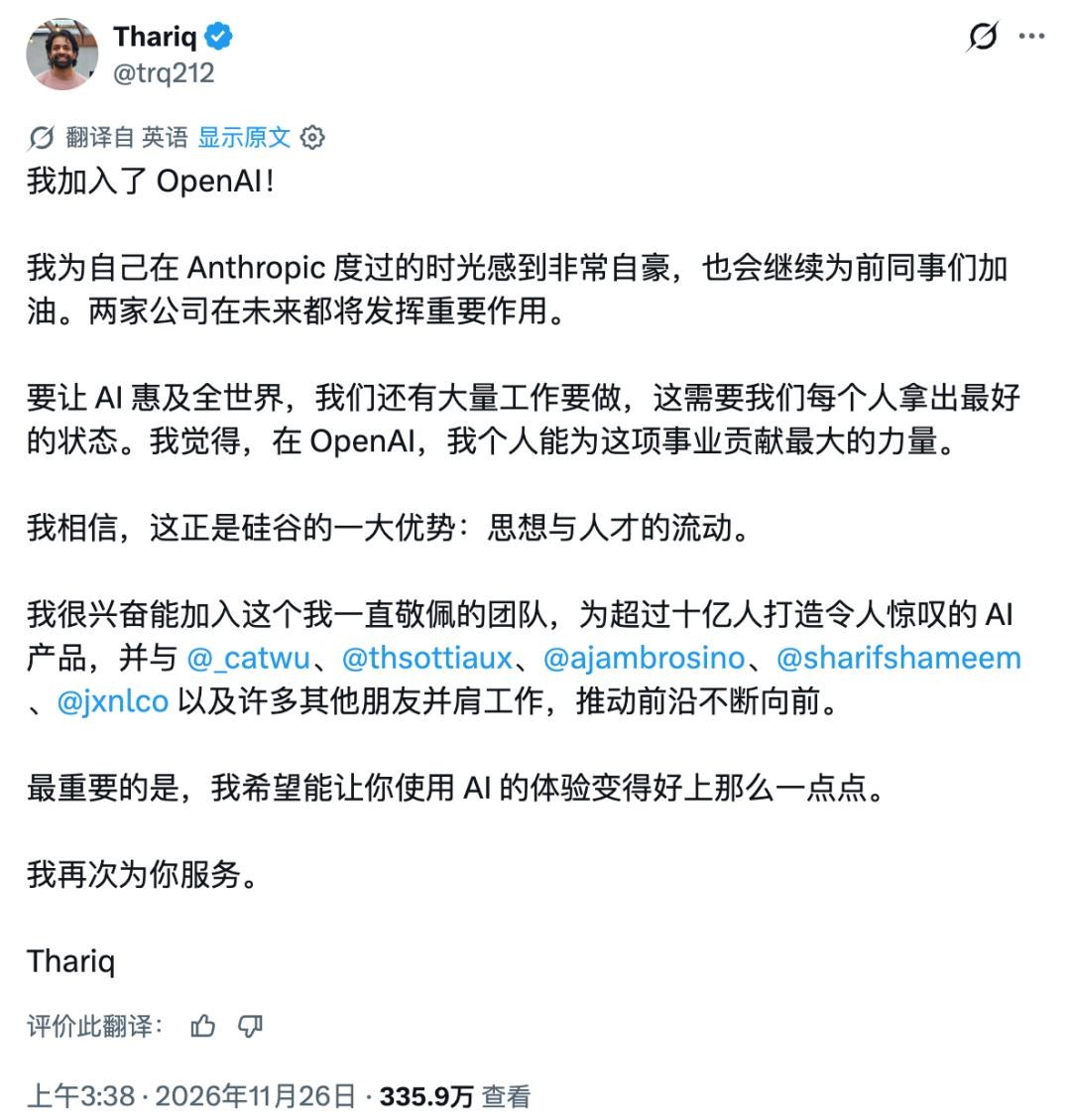
Thariq Shihipar, a core Claude Code engineer, said on 26 November that he has joined OpenAI. He left Anthropic on 24 October, where he worked on agent interaction and tool design. In a 54-minute interview he dropped an old rule: not everything belongs in the terminal, and a model should not make the design decisions alone.
Who has actually announced
Several Claude Code names were bundled into one story. Public statements and tips are not the same thing.
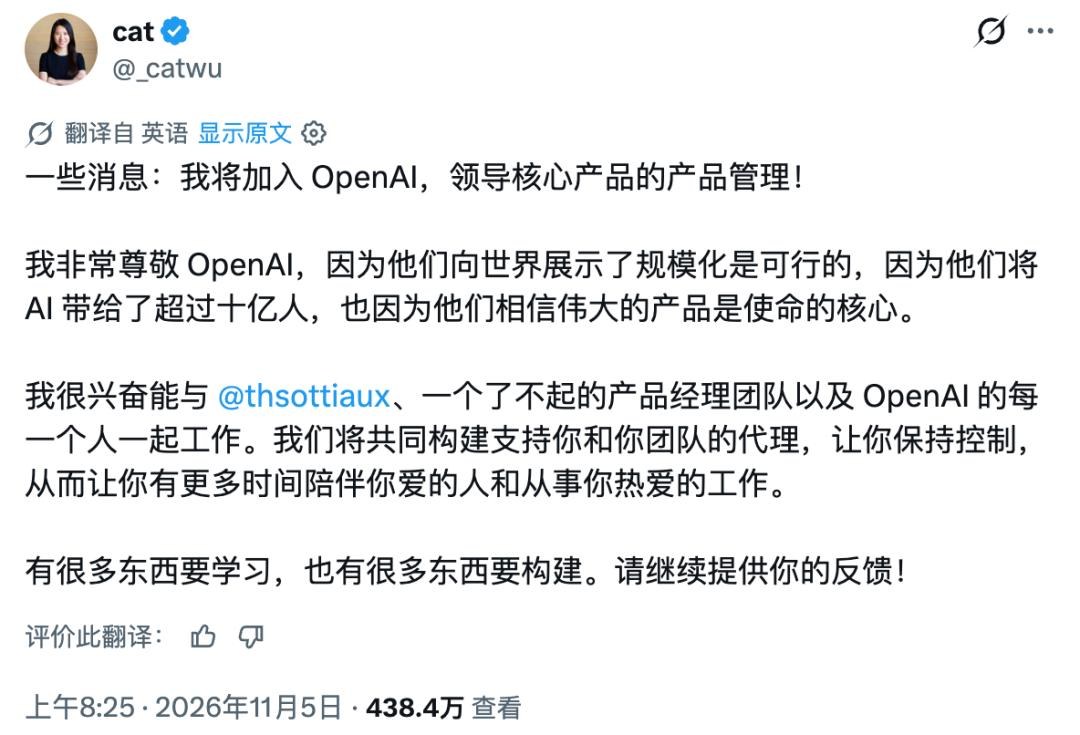
Cat Wu, the article says, led the product. She studied computer science at Princeton, worked as an investor at Index Ventures, and led product work at YouTube and Scale AI. The piece credits her with taking Claude Code from an internal prototype to a shipped product. She left in late October and announced on 5 November that she had joined OpenAI, where the article says she now covers ChatGPT, Codex, and the developer API.
Austin Lau, the article says, was Anthropic's first growth-marketing hire and the person who took Claude Code to developers. He announced the same day, 5 November, that he had joined OpenAI's Codex growth team.
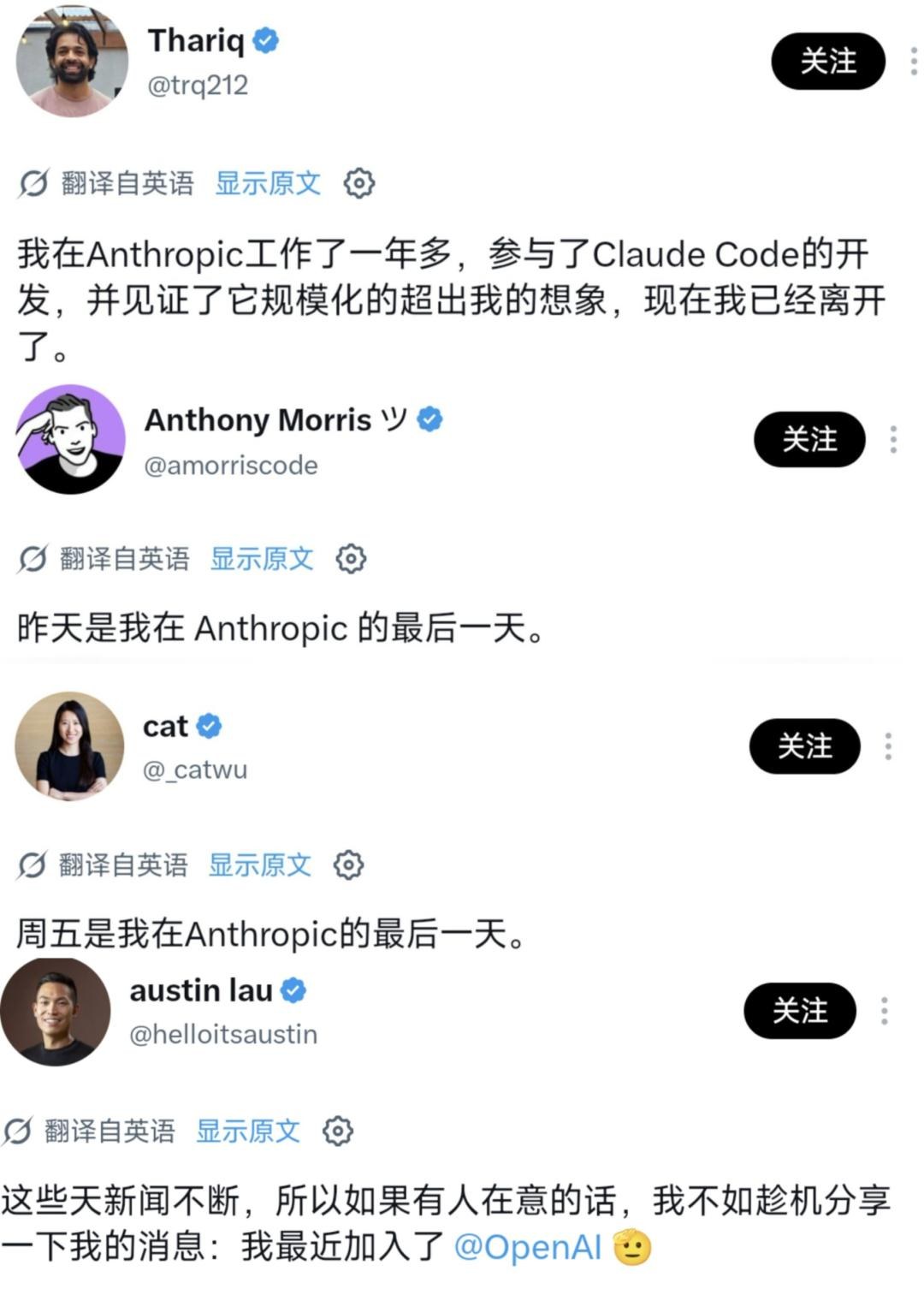
Anthony Morris is not in that confirmed group. On 18 November, tipster Arfur Grok said the founder of Claude Code's desktop app, and a lead client developer, had joined OpenAI. The article says Morris himself has not announced it. What it does say is that he left on 24 October.
Thariq Shihipar left the same day and only announced on 26 November. The article credits him with the AskUserQuestion tool, the Claude Agent SDK, and dynamic workflows for Skills. The OpenAI executive named as receiving the group is product lead Thibault Sottiaux, known as Tibo.
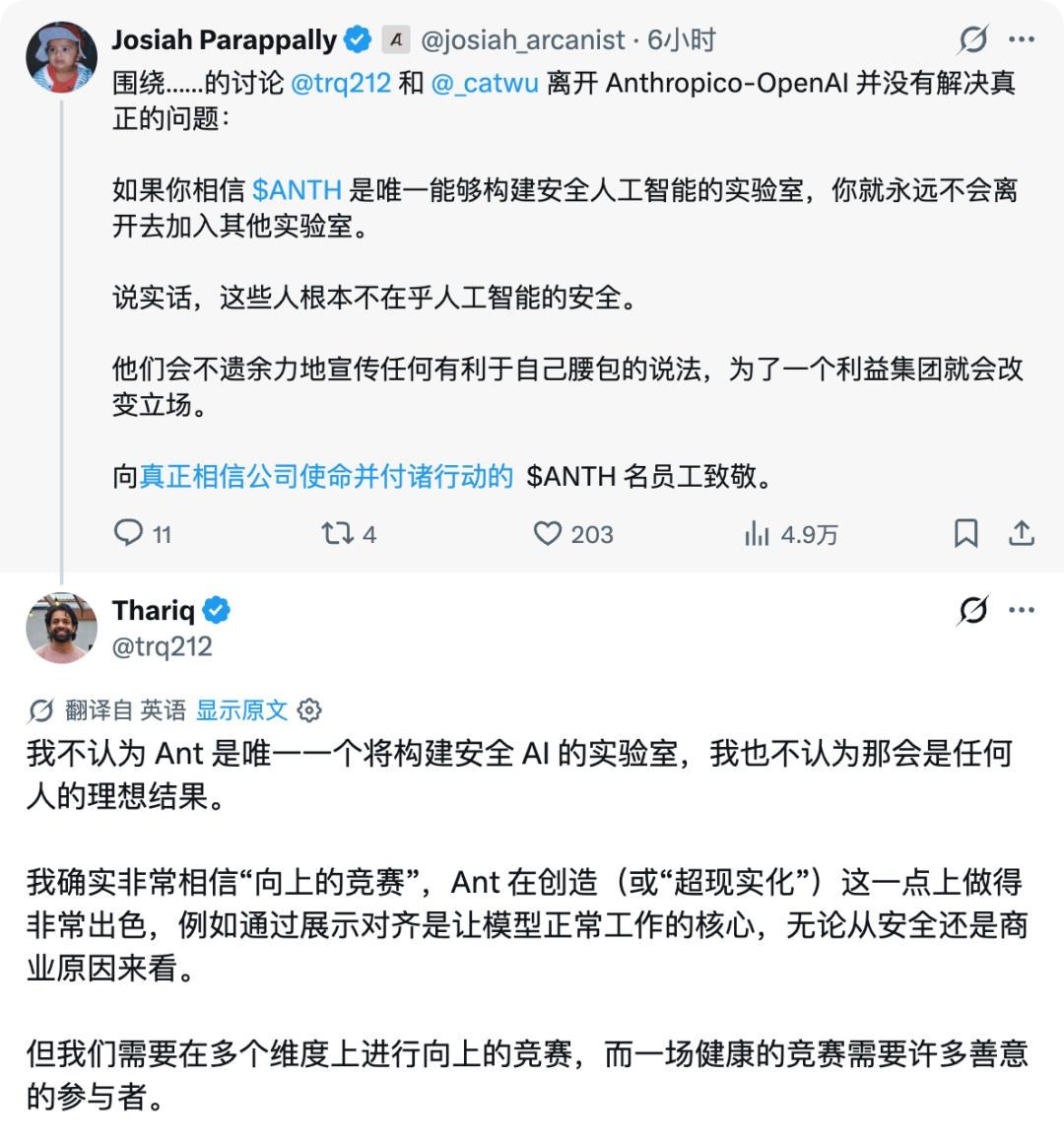
Someone asked in public whether a person who really believed in safe AI would leave, and said the motive was the package. Shihipar replied that he believes in a race upward, that one company dominating helps no one, and that he does not think Anthropic is the only lab building safe AI.
The share price is a separate story
Anthropic listed on Nasdaq on the evening of 19 November, Beijing time. This later report puts the issue price at 83 dollars, the first-day high at 115.1 dollars, and the first close about 17 percent above the issue price. The listing-day tape is in an earlier post, Anthropic's Nasdaq debut. The same report says underwriter Morgan Stanley exercised the greenshoe in full early, removing one tool for supporting the price, and that by the US close on 25 November the shares were at 81.91 dollars, with a session low of 75.61, below the issue price. Departures and the later drop happened in the same stretch. This piece does not show that one caused the other.
What he changed his mind about
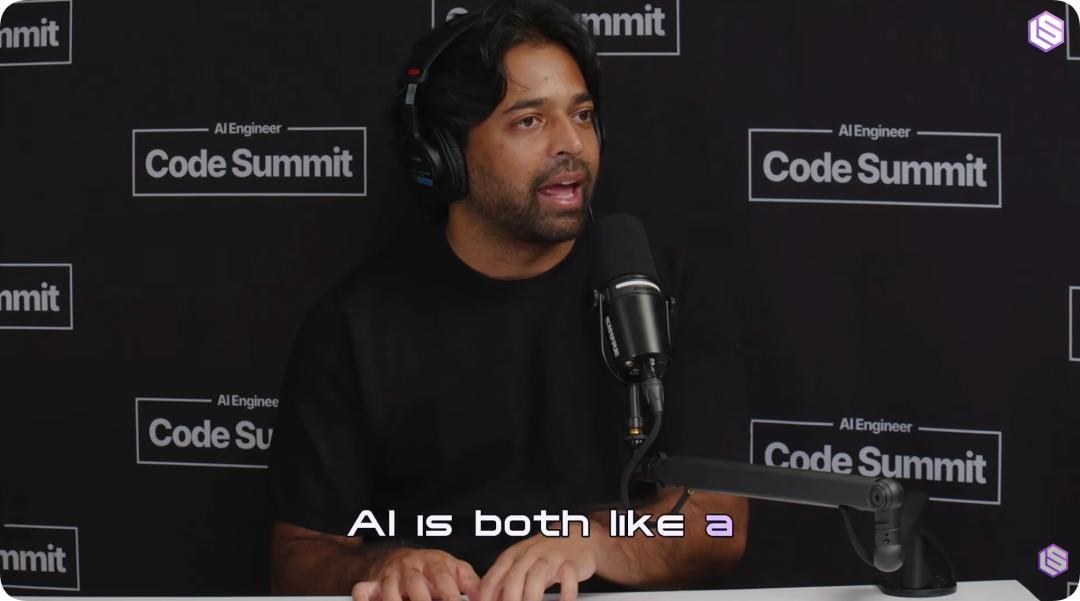
The interview was released around the announcement. The video is this AI Engineer conversation.
He used to argue that Bash is all you need and React is all you need, and that even MCP was unnecessary. He now rejects that. His reason is that a model can already operate Figma through computer use, so the workflow is shifting from humans adapting to the model toward the model adapting to an existing human workflow.
While building an element-manipulation game in his spare time, the model made design decisions he did not know about until he played and found the character doing things he had never specified. He wrote a scripting language and a directory called /human: comments are required, single-character variable names are banned, and line length is capped. A file should read like a specification and still run as code. The engine and base components can be rewritten by the model in WebAssembly; he tunes parameters and design inside /human. Even if the model finishes a balance test, a person decides whether to change anything. His reason is that a perfectly balanced game is dull.
From that he offers a two-step view: 2026 looks like a software factory, competing on cost, standardization, and volume; after that comes what he calls a software renaissance, in which small gains in quality and personal taste matter again once building is cheap. He also said he runs two 200-dollar-a-month plans, has not used the quota, and rarely feels limited by model intelligence, and that he can now have a model do reinforcement-learning and interpretability experiments without knowing PyTorch or CUDA. That is his experience, not a usage study.

He wants people to keep the decisions
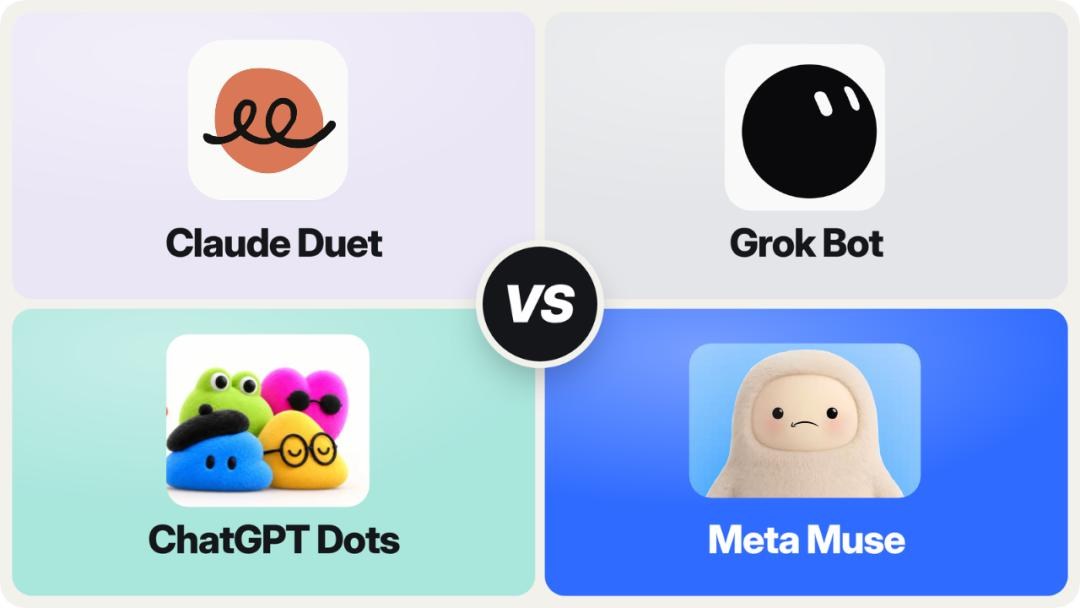
The second point is that people often do not know what they want. He had a model build a replacement for the macOS Dock, meant to separate writing, programming, and social media. He barely used it. He later decided the real goal was less social-media interruption without giving up freedom, and started an app that combines to-dos, screen time, sleep reminders, and a calendar. He wants to add what he calls a decision model, the System 1 model in the interview: a light model judges the situation first, and a full model takes the hard cases. His example is that scrolling a feed at the AI Engineer conference can be work, while checking the phone through a gathering with friends is a distraction. He also wants Dot, Duet, and Grok Bot to talk to each other, instead of making a user hop among similar products.
The third point is recursive self-improvement. He does not think self-improvement with no human in the loop is the better arrangement. The model does the technical execution and the experiments; people set the question, choose the direction, and allocate resources. A frontier training run can carry a compute bill in the tens of billions of dollars, and he says a person still has to approve that spend. He compares it to robots running wet-lab experiments and robots cooking in a restaurant, and he thinks this path could add white-collar jobs. That is his judgment, not an employment count. A different setup keeps self-improvement on the test harness and leaves the model weights frozen; that experiment is covered in the SIM paper.
At the end he said degrees and GPA explain less, and used leading a World of Warcraft guild as a comparison: running raids, setting deadlines, and coordinating dozens of people is a similar kind of organization to running a large compute cluster. The hosts added that, besides public talks and projects, a person's token consumption is starting to be treated as a signal. That was said in the room. It is not an established standard.
FAQ
Q: Has Thariq Shihipar confirmed that he joined OpenAI? A: The report says he announced it on 26 November, and that he had already left Anthropic on 24 October. It also says he worked on agent interaction and tool design.
Q: Did the desktop lead join OpenAI too? A: A tip on 18 November said so. Anthony Morris has not confirmed it himself. The report only establishes that he left on 24 October.
Q: What does he now require of vibe coding? A: Some of the code has to be readable by a person. The /human directory must be fully commented, must not use single-character names, and must keep lines short. The model may rewrite the engine and run tests. A person decides whether the result changes.
相关文章