



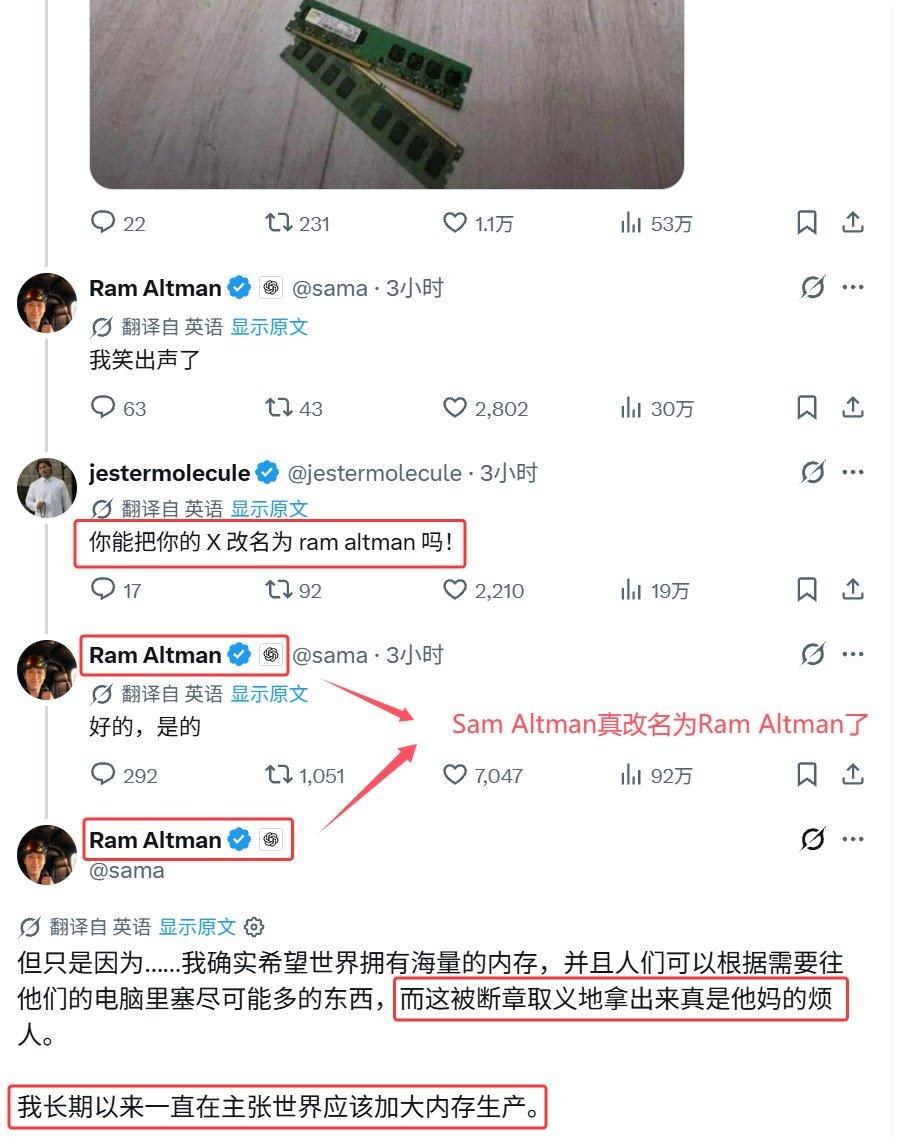
On Nov 4, OpenAI CEO Sam Altman briefly renamed himself “Ram Altman” on X after saying on a podcast that PCs hold lots of underused DRAM (~5% utilization in his framing) that might be better pooled in cloud data centers—sparking backlash that AI firms now covet home RAM, with Elon Musk joining the meme. Around the same window, reports said U.S. Democrats, after taking congressional majorities, were preparing stricter AI curbs (temporary bans on new AI data centers, pauses on frontier R&D, permanent bans on superintelligence). Tech equities sold off hard; the Wall Street Journal said OpenAI leaders discussed cutting 2027 data-center capacity plans by as much as ~40%. Policy and market figures still need verification, but the GPU–memory–infra squeeze—and consumer hardware cost spillover—is the real story. Related: agents rewriting the compute ledger; Altman on the next GPT.
From “Ram Altman” to Cloud Scheduling
Altman’s point is multitenant virtualization can raise GPU/memory utilization; users reply that personal RAM buys games, editing, local models, and smooth Chrome—not “waste.” For OpenAI, training, inference, and agents make pure merchant GPU/cloud harder to control on cost and cadence, so it pushes downstack: Oct 2025 Broadcom deal for ~10GW custom AI accelerators and networking; Stargate with SoftBank, Oracle and others, up to ~$500B over four years for U.S. AI infra. Racks need HBM, server DRAM, fabric, power, and cooling—any shortage throttles the stack, which is why memory now rivals GPUs as the bottleneck narrative.
The Memory Race: HBM, Hyperscaler Capex, Supply Reallocation
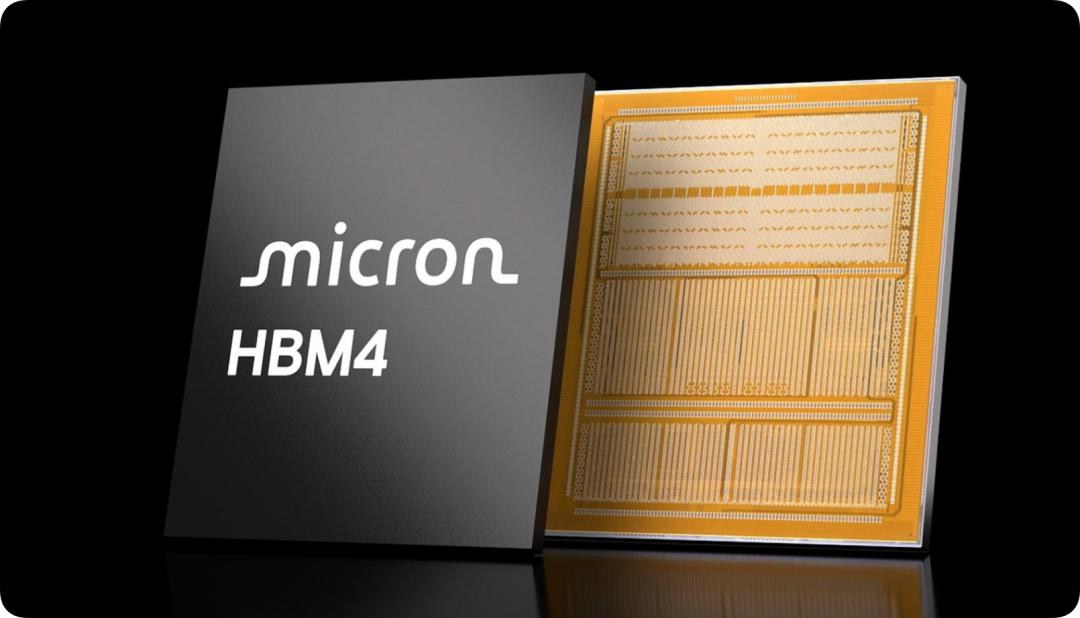
As models move to mass inference, long context, and agents, bandwidth and capacity decide whether data keeps up with flops. KAIST’s Jin Jung-ho and peers stress processor–memory flow as the limiter. Samsung, SK hynix, and Micron dominate HBM/premium DRAM and are retooling capacity. Reuters: Microsoft, Amazon, Google, and Meta may spend >$730B combined capex in 2026 while some tech firms cut headcount—labor down, silicon/power/racks up. Advantage shifts from “who has more GPUs” to “who locks memory, energy, and sites first.” China GPU peers face the same squeeze—see four dragons after revenue doubles.
Why Consumers May Pay First: Prices, AI PCs, the J-Curve
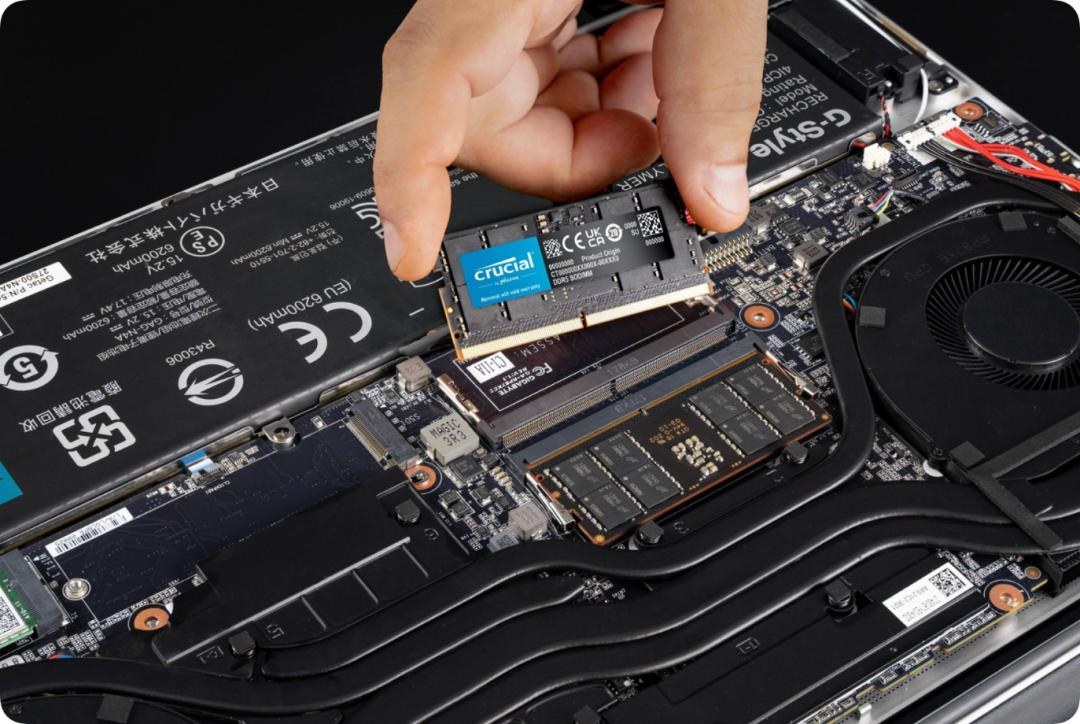
Clouds treat memory as a production input; individuals care about stutter and configs. Gartner once projected DRAM+SSD blended prices up ~130% by end-2026 vs 2025, with PC/phone ASPs +~17%/+~13%. Vendors sell “AI PC/phone” while local AI raises RAM/GPU bills; even ChatGPT-only users can feel supply-driven price lifts. The productivity J-curve says infra spend precedes payoff—cheaper goods and shorter workweeks may lag costlier hardware and services. A true policy brake could ease the memory scramble short term and rewrite AI capex narratives longer term. More: AI News.
FAQ
Q: Did Altman legally rename himself Ram? A: No—a brief X display-name gag tied to his underused-PC-RAM / cloud-pool argument.
Q: Are bans on superintelligence already law? A: The piece cites planned Democratic restrictions and a market shock; treat seat outcomes, bill text, and wipeout figures as reportage pending primary sources—not enacted statute.
Q: Must every user buy more RAM for AI? A: Cloud chat alone often doesn’t; local models, heavy agents, and creative workloads do. Industry memory contention can still raise prices for non-AI buyers.
相关文章