



Opus 5.5 Reverse-Engineers Call of Duty—Activision Blizzard Isn’t Sitting Still
Open a browser, type a URL, and jump straight into *Call of Duty* or *GTA*?
Claude Opus 5.5.
Of course it's you—still the one that gets Vibe Game.

Lately the games scene feels like a full-blown "Renaissance":
From *Halo: Combat Evolved* and *GTA: Vice City* to *Skate 3* and *The Simpsons: Hit & Run*…
Opus 5.5 has dragged a pile of classics back from the underworld inside the browser—and they look pretty good.
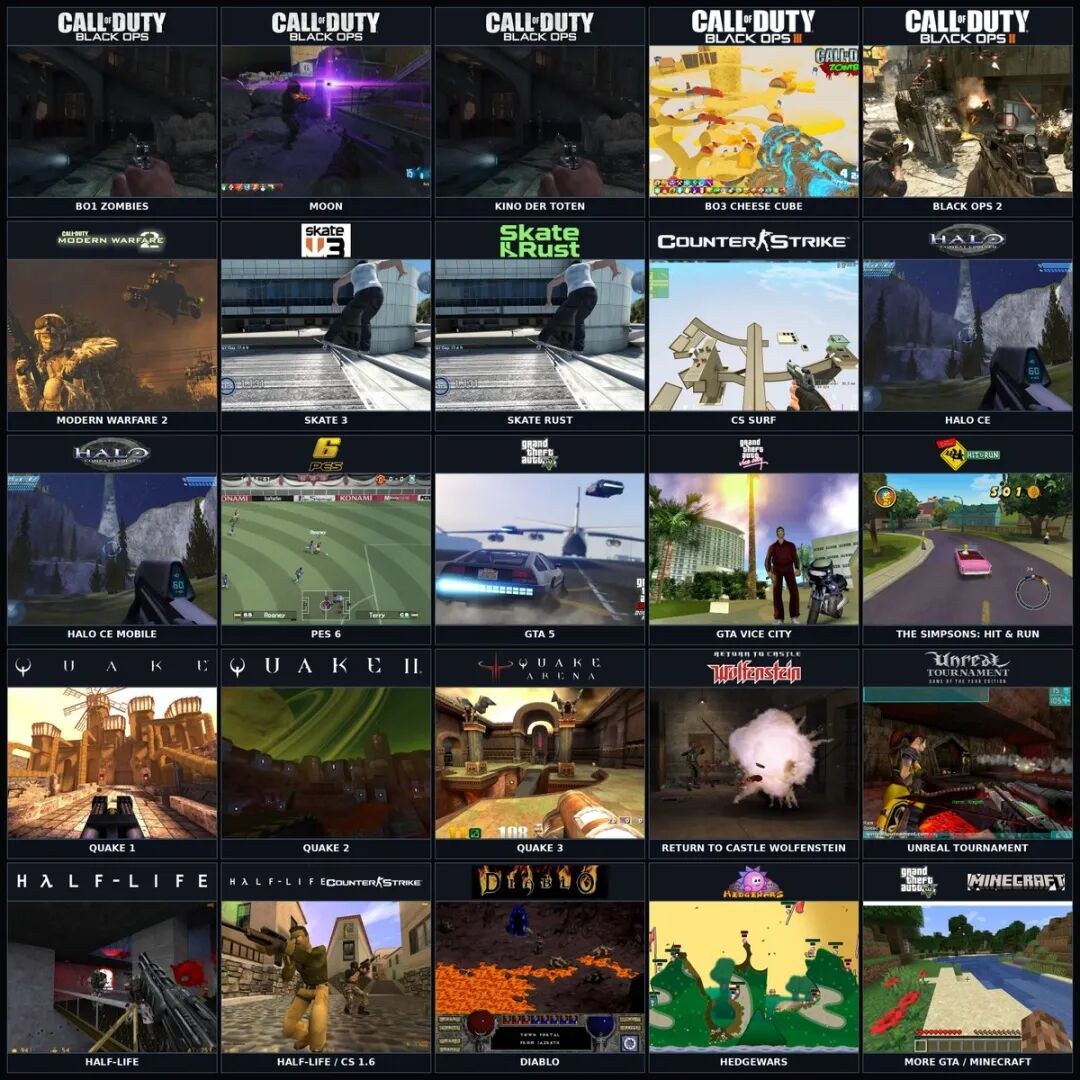
Take the web Halo: within five hours of launch it racked up nearly 20,000 sessions, with players pouring in from 115 countries.
One word: fun.

Those multi-dozen-GB installers? Bye-bye.
Now one webpage is enough to shoot zombies, drive, and go brrr.
Bad news, though: the party hadn't lasted two days before Activision and Microsoft legal showed up with lawyer letters…
Hundreds of Old Games Move House Together
Who saw this coming…
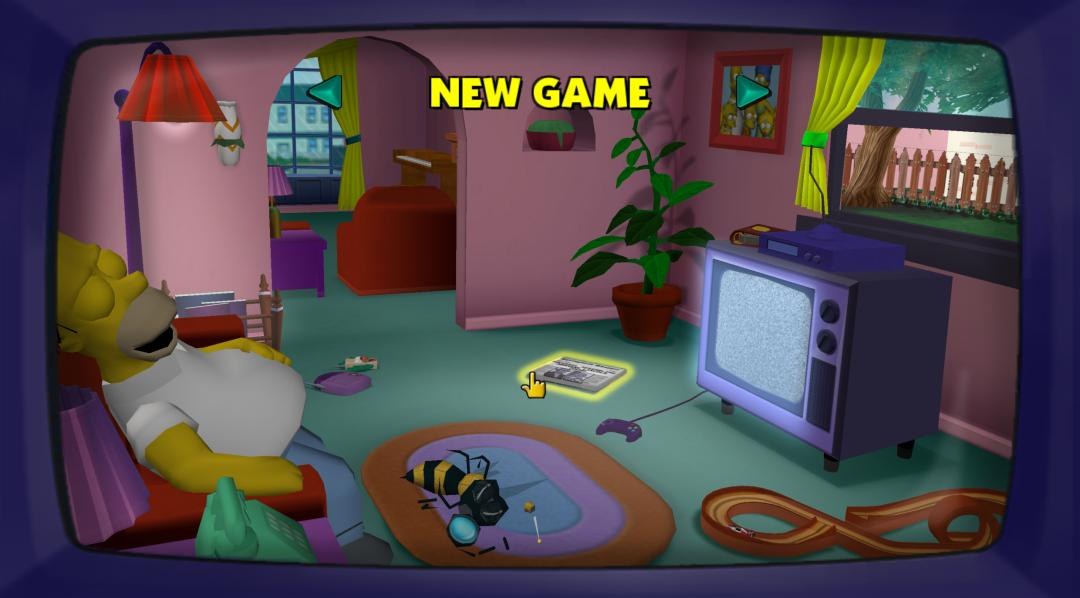
It's 2026 and *The Simpsons: Hit & Run* can still hit 240 fps in a browser tab.
Those occasionally stuttery console frames from childhood? Silky smooth in a browser tab.
The web *Halo: Combat Evolved* even ships with multiplayer servers—and latency in a match is oddly low.
Familiar maps, mouse-and-keyboard, plus a link you can share on a whim.
These PS2/PS3-era classics are highly faithful ports, collectively relocated into a new-era 4399.

Why do they run so well?
People forget: a PS3 only had about 512 MB of RAM total.
Opening Chrome to browse today casually eats toward 1,200 MB.
Hardware isn't the bottleneck anymore. The real killer for web ports is decompilation—
walking backward from the compiled game binary to rebuild human-readable, recompilable code.
Game logic has to match the original as closely as possible, and still fit the browser.
That's a lot of work. A few programmers used to grind for months and still not crack the old code.

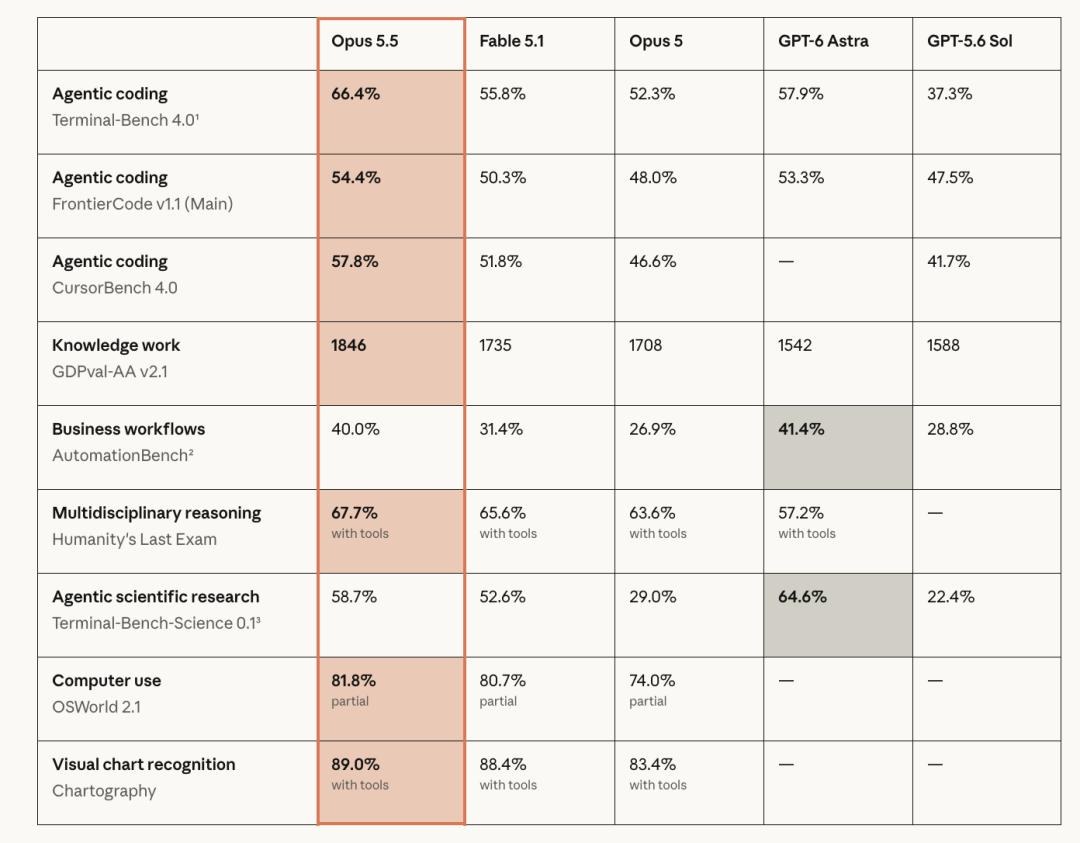
But Claude Opus 5.5's decompilation chops look like cheat codes.
Anthropic has said one early tester used Opus 5.5 to finish a 680k-line migration in under a day;
another had it audit and fix 200k lines in under three hours—while Opus 5 took over 20 hours on similar work.
With the same game-making prompts, Opus 5.5 also ranked strongest on visuals and completeness.
In real production, models even tag-team.
When developer Luckey Faraday built a web *Call of Duty*, Claude at first refused to help.
They spun up an initial scaffolding with models like GLM, then handed visual details to Claude.
Multiple models complemented each other to finish maps and combat—with richer gameplay than the original in places.
With Opus 5.5, developers can even leave the model running overnight, slicing complex legacy game logic into browser-ready code.
Nice for players—and convenient for a little workplace fishing.
Publishers Push Back
But… Activision Blizzard doesn't see it that way:
Take them down. All of them.

Faraday's related port links all got pulled. He even half-joked on X:
> Am I the first Vibe Coder to get a DMCA from a game publisher? (doge)

Not entirely unfair.
For authenticity, these web ports exported maps, models, and animation assets straight from the original PC games and packed them in.
Code can be re-decompiled by AI and "open-sourced," but those art and audio assets still belong to the original studios and publishers.
And it's not only asset-heavy ports that risk infringement—new games that borrow familiar universes are risky too.
Earlier, developer Chris First used Opus 5.5 to ship the web game *Fallout: New York*.
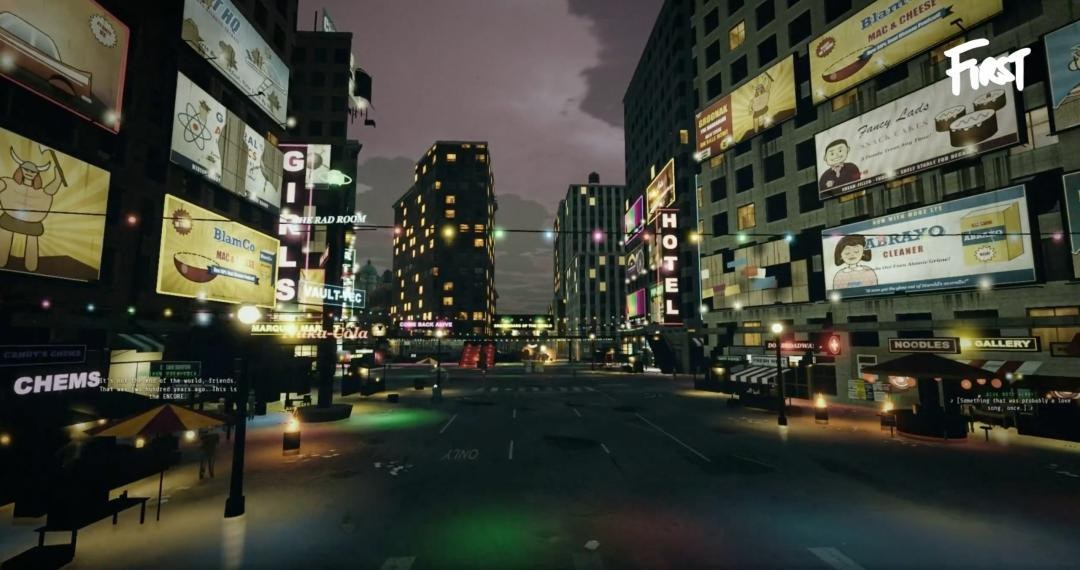
Even though locations, characters, and music were independently generated, ZeniMax still sent a cease-and-desist—and the project was shut down.
So to dodge legal hammers, web-port makers have started improvising.
The watched web *Super Mario 64*, for example, is smarter:
it ships only the runtime and emulator online—no infringing textures or game data bundled.
Want to play?
Players must bring their own ROM and upload it for the browser to parse.
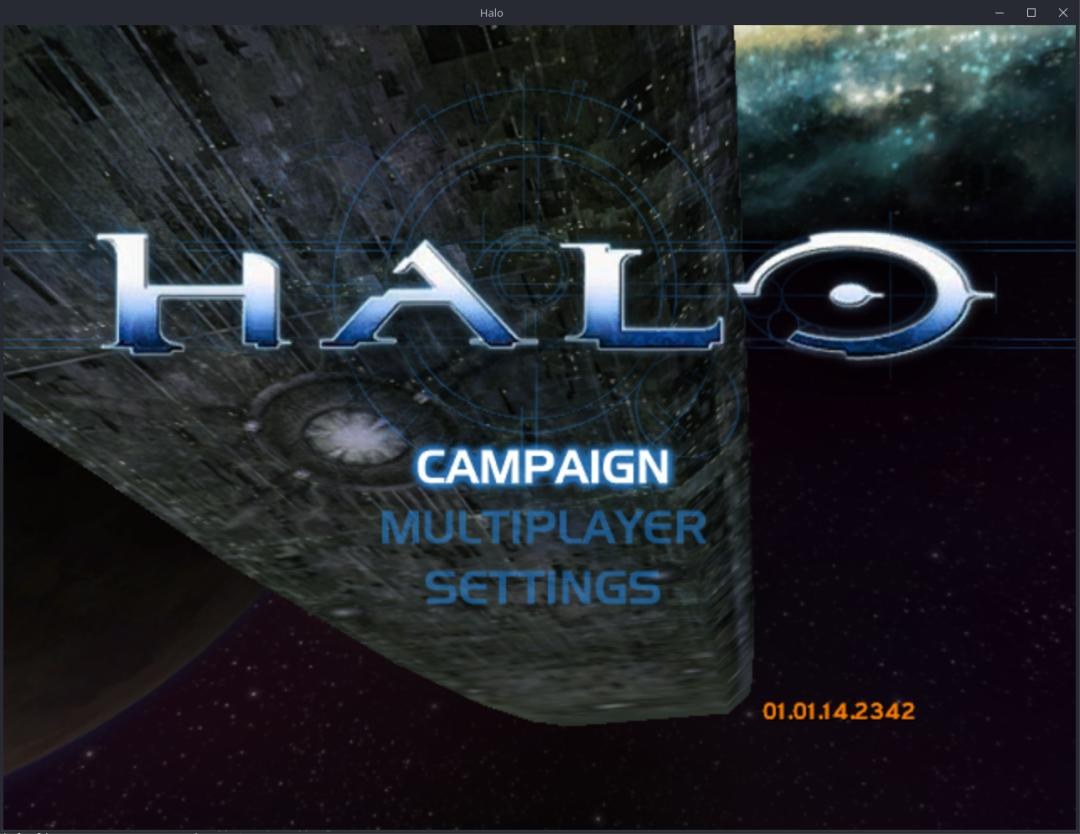
Halo's OpenCE project also states clearly: no game data included.
On first launch, players pick an Xbox disc image; the app extracts maps from it. The web build keeps files in the browser's local storage—nothing uploaded to a server.
By splitting runtime from assets, developers are trying to find a path that stays alive.
For players, the experience is still in the browser—just with one extra setup step the first time.
Publishers won't go soft, though; more chase-down moves are already on the way.
AI can push the porting work forward. It won't clear licensing when you publish in public.
This cat-and-mouse round in games is only just starting.
References:
[1] https://kotaku.com/we-might-be-cooked-as-these-vibe-coded-web-browser-ports-of-halo-the-simpsons-hit-and-run-and-gta-vice-city-seem-to-work-perfectly-2000743300
[2] https://www.techpowerup.com/353601/activision-dmca-takes-down-vibe-coded-call-of-duty-browser-ports
[3] https://momo5502.com/posts/2026-10-09-game-decompilation/
[4] https://www.pcgamer.com/hardware/you-can-now-play-halo-combat-evolved-in-a-web-browser-and-it-even-has-multiplayer/
相关文章