



Full-size humanoids remain pricey and far from everyday homes, so compact “desktop robots” for desks are emerging as a lower-cost embodied side path. Fans see an entry vehicle for large models into the physical world; critics call them expensive electronic figurines that gather dust. The category is early: consumer SKUs lean on emotional companionship, while productivity and “get work done” physical-agent value are not yet the main reason to buy—same lesson as our embodied capital winter piece: demos ≠ durable value.
Why Vendors Chase the Desk
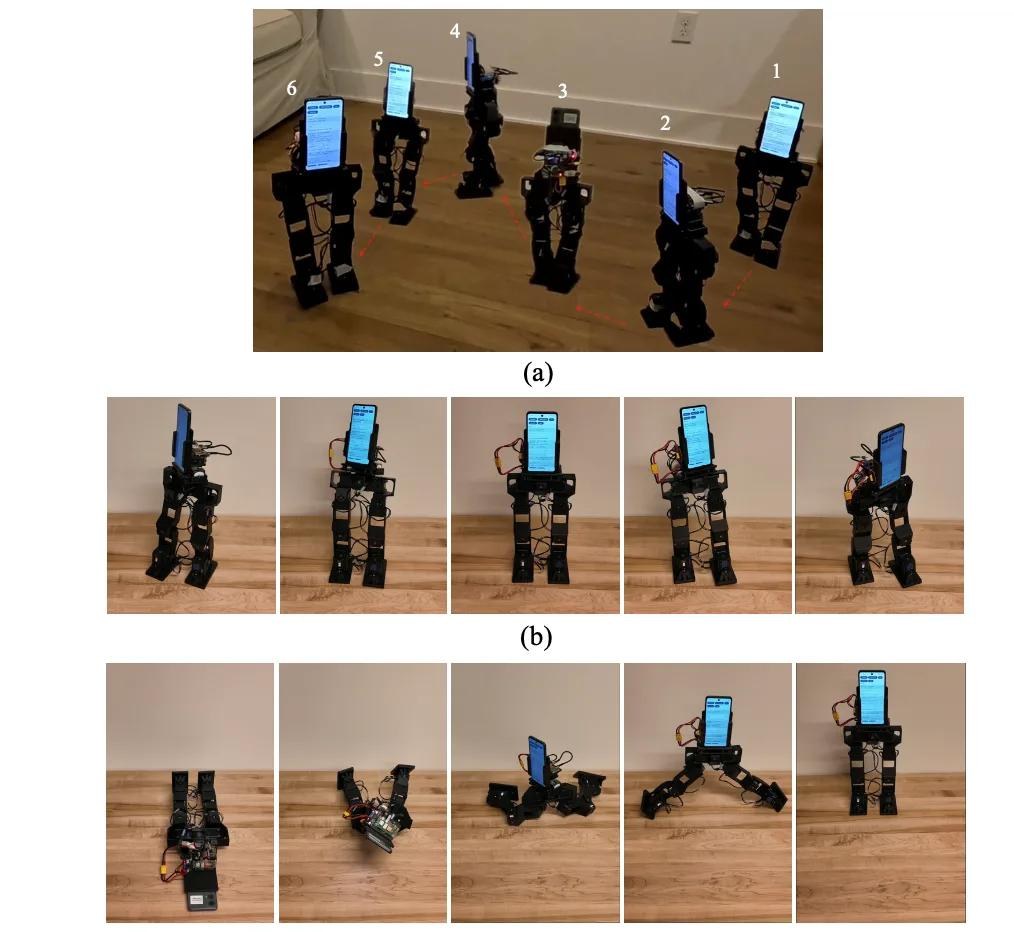
Working definition: embodied AI + desktop scene, with an active-perception “brain” (on-device or cloud) and mechanical structure—smart speakers and camera-only gadgets usually don’t count. Desks have clear bounds and simple environments: no bipedal balance or whole-room nav, mainly edge fall-prevention, so compute and battery can favor interaction. SoCs, displays, mics, cameras, and batteries reuse phone/IoT supply chains at far lower BOM than humanoids. UCLA-style low-cost bipeds driven by used phones (body ~under RMB 3,000) show how transferable that stack is. For startups, desks are a lighter trial than the crowded, cash-burning full-size arena—and can ship C-end SKUs that bring cash flow.
Two Poles: Desk Pets vs Efficiency Arms
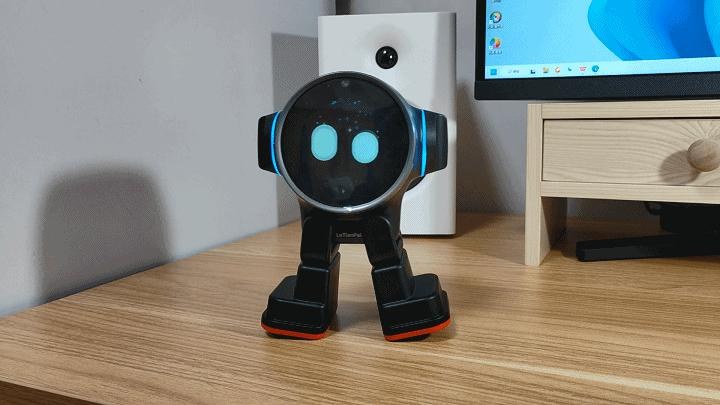
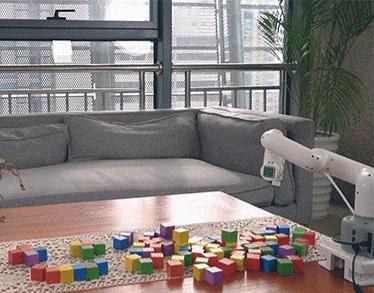
Companionship products act as movable, talkative desk pets: e.g. Letianpai’s biped with a round “eye” screen, touch/voice/gesture, ~RMB 1,799, Linux/custom models; Lingtong NIA-F01 wraps figurine looks with cameras and micro-skeletons for persona/voice customization. Efficiency side includes Elephant Robotics’ myCobot-class mini arms that need secondary development—grippers/suction for tidy-up, or mouse/keyboard emulation for repetitive PC work, skewed to commercial and geek users. Multimodal models, cheaper vision, and micro servos already enable expressions, gesture understanding, and shrug/head-shake motion. China has denser brands (Letianpai, Lingqi, Ketouch, plus Unitree/Lingtong/Xuanji crossovers); overseas leans crowdfunding—Looi uses the phone as brain/face with a ~$129 base; Hugging Face ships developer-facing Reachy Mini. Big-tech interest includes reported Apple desktop concepts—see Apple AI desktop robot plans.
Endgame: Not a Cyber Pet—a Physical Agent
Companionship-only risks becoming a pricier speaker that walks a few steps on a cramped desk. Growth likelier needs modular form factors fused with monitor arms, lamps, or wireless chargers—present when useful, hidden when not—with swappable arms or tracked/biped bases. Functionally, move past scripted demos to real desk work: drive the PC, tidy objects, adjust lighting—doing more than software assistants or speakers, i.e. a physical agent. Multimodal drop-downs and phone BOMs will spawn more SKUs; sustained consumer spend hinges on efficiency matching scarce desk real estate. More: AI News.
FAQ
Q: How is a desktop robot different from a smart speaker? A: Beyond voice, it usually adds mechanical motion and active sensing to act in desk space; screen-plus-chat alone collapses toward speaker UX.
Q: Why friendlier for startups? A: Closed scenes and phone/IoT parts cut R&D and capital vs full-size humanoids, making sellable C-end products more reachable.
Q: What would “winning” the category look like? A: Not novelty pets alone, but modular hardware that repeatedly does physical tasks—tidy-up, input emulation, environment control—as a desk physical agent.
相关文章